Everything you need to know about the EU’s new Entry/Exit System (EES)
Published: 4 November 2025 / Updated: 15 June 2026
Brooke Mackenzie
Update, June 15th 2026:
The Entry Exit System (EES) is now fully live, and it’s making waves in the news for delaying thousands of passengers’ summer travels. The rollout has been challenging for British travelers in particular, who were told in April that they could skip the biometrics for entry into Greece. This has since been revoked. Non-EU travelers attempting to enjoy their annual vacations in Portugal, Italy, Spain and more are all facing long wait queues at the borders. Some countries have even implemented temporary pauses to the system that allow travelers to enter with their passports when the wait times grow too long.
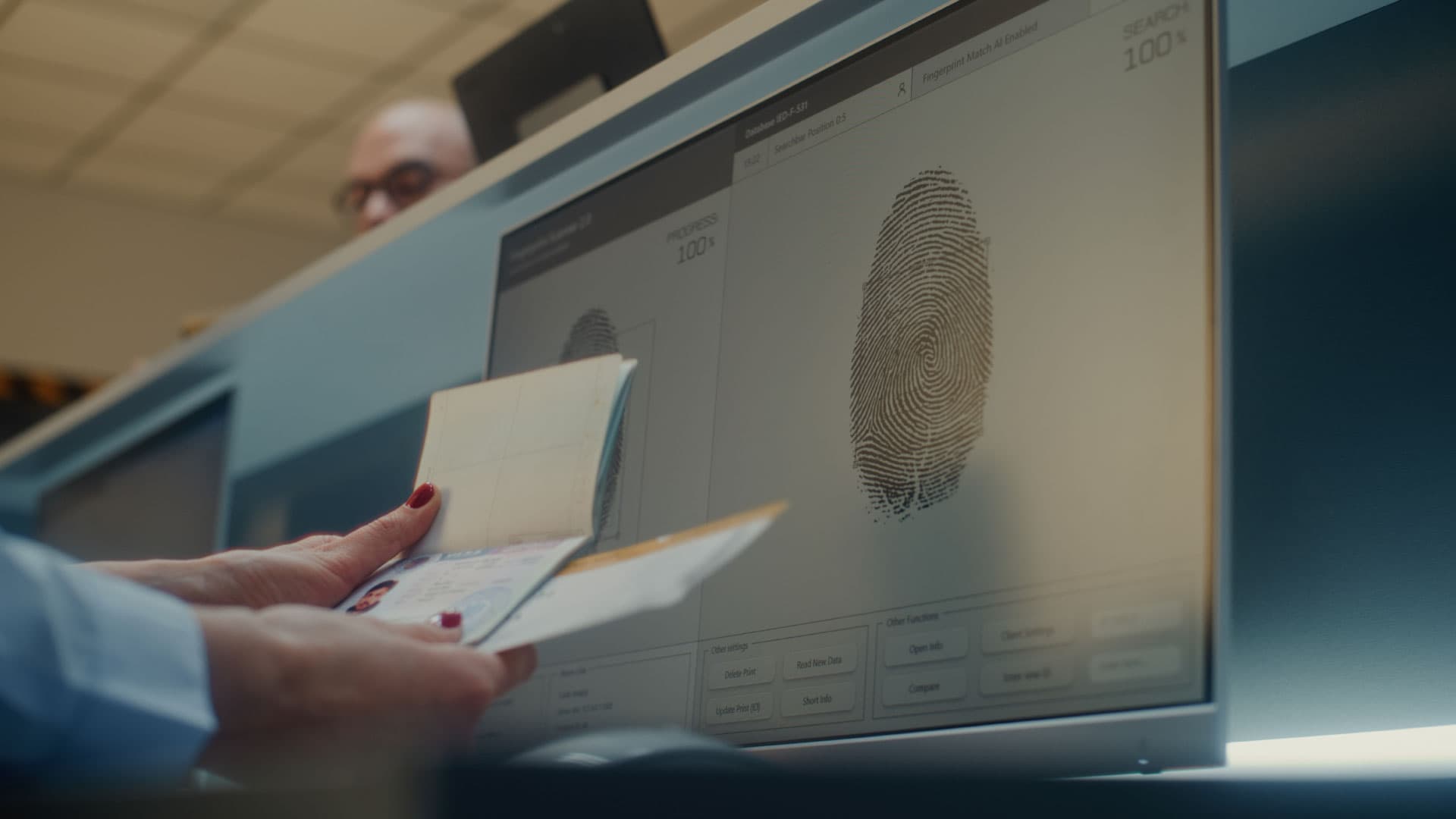
To recap, the Entry Exit System (EES) is a new border process that concerns non-EU nationals entering the Schengen Area for short stays. These passengers are now required to provide their fingerprints and pose for a photo at a kiosk.
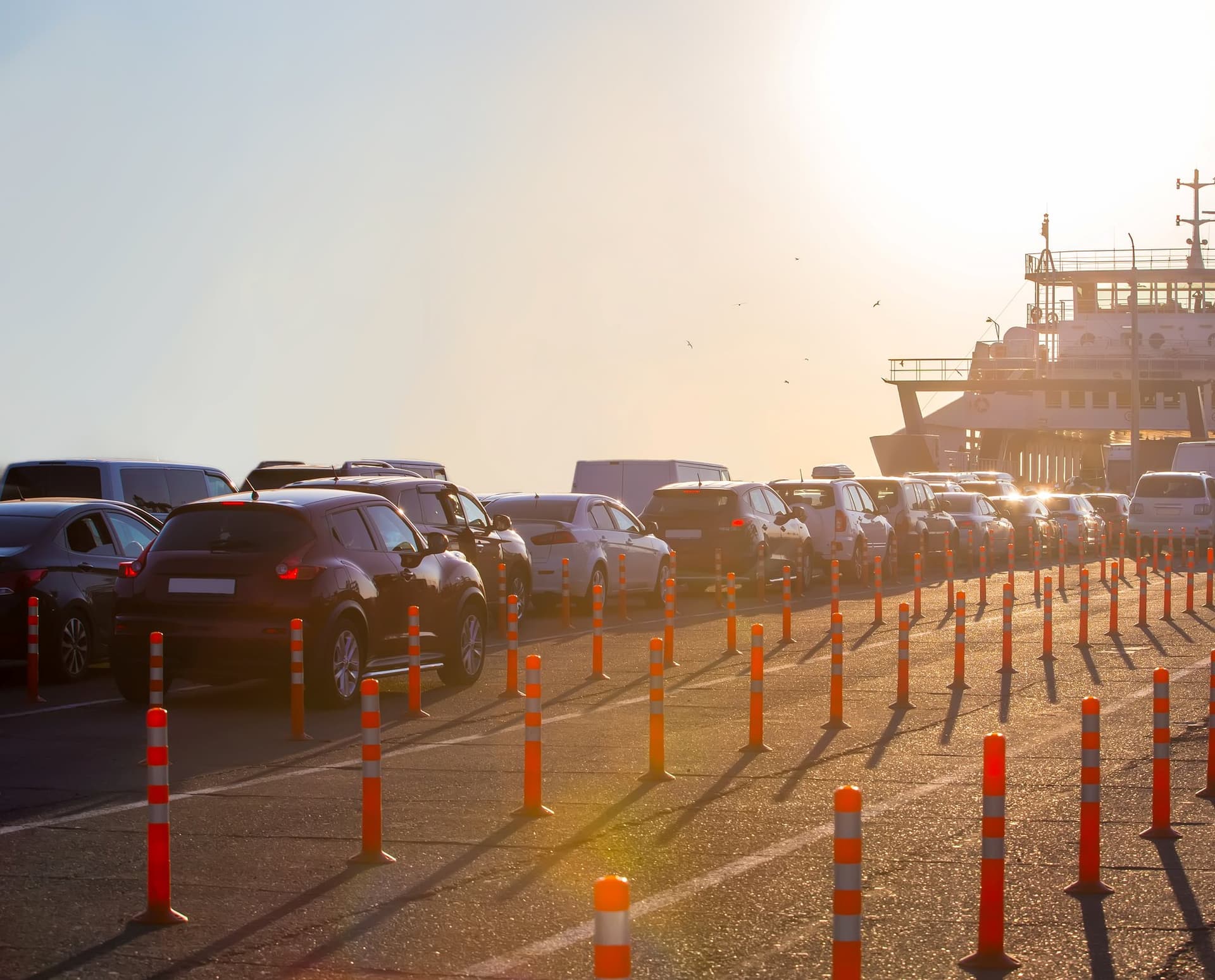
Vehicle passengers in particular are reporting long delays. Source: iStock
What to expect at the ferry ports
The EES registration is adding several minutes per person at the border. This doesn’t sound like much, but if you multiply it by the thousands of passengers traveling through ports every day, it can add up to pretty significant delays. With this in mind, be sure to build some extra time into your journey. You can always check the official site of the ferry port that you’re departing from for recommendations on how early to arrive.
Drivers, like those heading from Dover to Calais, should expect more significant delays. This is due to the fact that the kiosks must be accessed on foot, so passengers can’t simply drive on to the ferries in their vehicles as easily as before.
Tips for the Entry Exit System by ferry
- Consider your departure time: Try to avoid crossings between 12:00 and 15:00 in the summer, when processing is at its heaviest.
- Island hop with care: If your schedule involves two ferries in one day, make sure your layover won’t be a tight squeeze.
- Have your documents ready: To keep things moving, approach the kiosk with your Passport and other documents in hand.
- Be wary of scams: There is nothing you need to purchase online related to the EES before traveling.
- Stay informed: Before departing, check your port’s channel for the latest updates about processing times and recommended arrivals.
What is a non-EU national?
Per the official EU website, a non-EU national is a traveler “not holding the nationality of any European Union country or the nationality of Iceland, Liechtenstein, Norway or Switzerland.”
Non-EU nationals will encounter the system when crossing the external borders of the following countries:
- Austria
- Belgium
- Bulgaria
- Croatia
- Czechia
- Denmark
- Estonia
- Finland
- France
- Germany
- Greece
- Hungary
- Iceland
- Italy
- Latvia
- Liechtenstein
- Lithuania
- Luxembourg
- Malta
- Netherlands
- Norway
- Poland
- Portugal
- Romania
- Slovakia
- Slovenia
- Spain
- Sweden
- Switzerland

The EES system aims to make border passing more efficient. Source: iStock
EES Start Date: What you need to do
The Entry/Exit System was first used on October 12 2025 by ferry passengers traveling from Calais to Dover or from Calais to Folkestone via LeShuttle (Eurotunnel). It will slowly roll out across the EU into 2026, and is now fully implemented as of June 2026.
You do not need to register for EES before reaching the border or prepare any extra documents. There are no fees associated with the EES system. The process will take place when you cross the external border of the Schengen country you’ve visited. There, you will present your fingerprints and have your photograph taken. The data will be stored for three years, so you will not have to undergo this process each time you cross a European border.
The EU defines a short stay as any 90 days within an 180-day period. For example, if you arrive to Greece in October, you can stay until December, but would then have to leave for 6 months in order to return for another short stay. Feel free to use this short-stay calculator to check your travel plans.

In our industry, the rules change pretty often. Let us help you stay updated! Source: iStock
Exemptions from the EES System
The EES does not apply to the following types of travelers:
- Nationals of European countries, as well as those from Ireland and Cyprus
- Non-EU nationals in possession of a residence card or residence permit and have an immediate relation (family member, spouse) of an EU national
- Non-EU nationals traveling to Europe for research, studies, training, voluntary service, educational projects, au-pairing, or intra-corporate transfers
- Holders of long-stay visas
- Nationals of Andorra, Monaco, Sa Marino, and holders of passports issued by the Vatican City State
- Peoples exempt from border checks
- Those holding a valid border traffic permit
- Crew members of passenger and goods trains on international journeys
Want to stay on top of border news?
Subscribers to the Ferryscanner newsletter hear things first. 😎 Get updates like this that may affect your travel plans, exclusive deals, exciting updates and more directly to your inbox. Subscribe today.
More Articles
View all Guidance articles
Ferries from Croatia to Italy: Routes, Prices & Travel Tips
26 February 2025
Sail from Croatia to Italy with ease! Discover ferry routes from Split, Pula, Rovinj, and Dubrovnik to Italy’s top destinations like Venice and Ancona. Compare schedules, prices, and travel tips to plan your Adriatic crossing.
7 UNESCO World Heritage Sites worth boarding a ferry for
7 September 2026
Some places you should really arrive at by boat. Check out these 7 UNESCO World Heritage Sites, from the Giant's Causeway to the Amalfi Coast, that you can reach by ferry.