
From the bustling mainland to the pearly-white shores of more than one thousand islands, Thailand is a truly magical destination to explore. The easiest (and most rewarding) way to uncover its secrets? By ferry! Here we’ve compiled everything you need to know about traversing the western and eastern coasts by ship. This guide covers Thailand ferry routes, schedules, prices, and what else to expect in the Land of Smiles. After a 5-minute read, you’ll be all set book the perfect trip right here on Ferryscanner.

The heart of Thailand opens to ferries. Source: iStock
Why ferries are the best way to see Thailand
Thailand’s geography makes ferry travel the most natural way to move through its southern half. The country narrows into a long peninsula with two coastlines—the Andaman to the west and the Gulf to the east—each dotted with islands that roads can’t reach and flights overshoot. Down here, the water is the highway. Thailand ferry routes link Phuket to Phi Phi, Krabi to Lanta, Samui to its neighbors, and dozens of smaller stops in between. Distances are short, boats run often, and the scenery is far better than anything you’ll get from an airport transfer.
The best coastlines and islands are only accessible by boat
You know those stunning, high-saturation photos of Thailand you’ve seen on Instagram? 99% of them are locations that you cannot access by road, or even by airplane. Thailand’s beauty unfolds at a slower pace; in trips across turquoise water. Koh Phi Phi (made famous by The Beach, an adventure thriller from 2000 starring Leonardo DiCaprio), Koh Samui (you saw it on the last season of The White Lotus), Koh Tao (host of the iconic Full Moon festival), Krabi’s Railay Beach, and countless other lesser-known destinations have no road access. Thankfully, we can help you get here.
Popular ferry routes to book:
Koh Phangan ↔ Koh Tao
Chumphon ↔ Koh Tao
Phuket ↔ Koh Phi Phi
Krabi (Ao Nang, Railay) ↔ Koh Phi Phi
Koh Lipe ↔ Krabi
In Thailand, ferries make more sense than flights and bus rides
The geography of Thailand’s islands, and their limited airports, make air travel difficult. You’ll pay more, and oftentimes still end up far from your end destination. Busses aren’t much different. A short ferry trip between islands can run the price of a cheap meal, while flights to coastal airports swing higher and still leave you paying for taxis or shuttles to the pier. Buses might look cheap on paper, but they take hours, and still can’t reach the islands themselves. Ferries go straight to the places you’re aiming to reach, run on predictable schedules, and skip the airport grind. They’re also very affordable. These, for example, are the average prices for some of the most popular routes:
Koh Phangan to Koh Tao: ~€15
Chumphon to Koh Tao: ~€20
Phuket to Koh Phi Phi: ~€18
Krabi (Ao Nang, Railay) to Koh Phi Phi: ~€20
Koh Lipe to Krabi: ~€23
How ferry travel works in Thailand
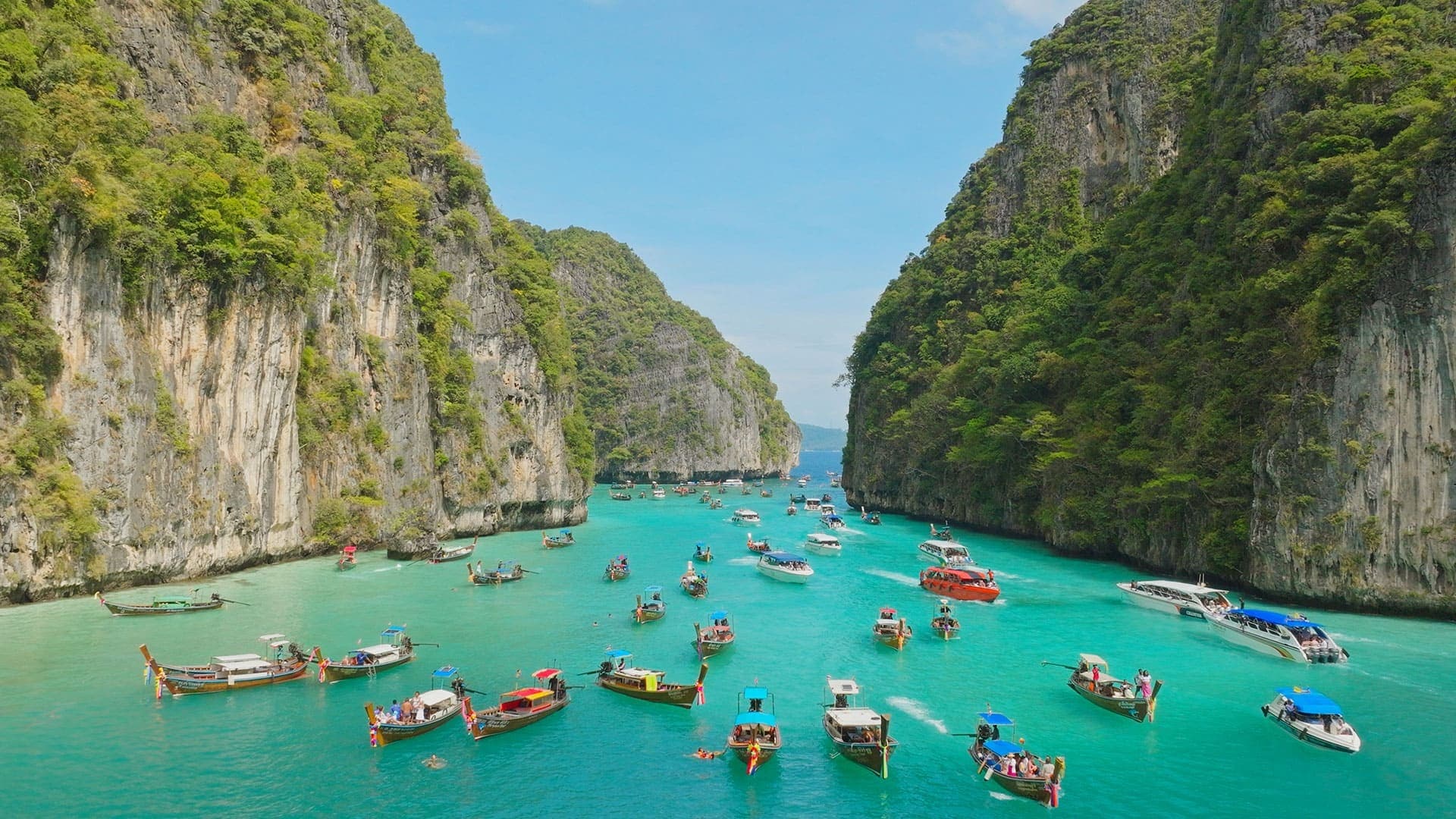
Phi Phi isn’t officially one of the wonders of the world…but couldn’t it be? Source: iStock
Where ferries depart from on each Thai coast
Most ferries in southern Thailand leave from a handful of main piers and coastal hubs. This network means you don’t need a car or long inland travel just to get from one beach to the next. As long as you land near one of these piers or can reach one by shuttle or taxi, you can bop across the islands.
On the Andaman side, key departure points include:
- Phuket Rassada Pier (for trips to Koh Phi Phi, Krabi and Koh Lanta)
- Krabi Klong Jilad Pier (for ferries to Koh Phi Phi and other islands)
On the Gulf-of-Thailand side you’ll embark from:
- Don Sak Pier or Surat Thani (Tapee) Pier when heading to islands such as Koh Samui, Koh Phangan or Koh Tao.
- Thong Sala Pier (on Koh Phangan)
- Nathon Pier (on Koh Samui)
Ferry v.s. speedboat: what’s the difference?
Ferries are larger, steadier boats with more space to move around, better shade from the hot Thai sun, and more room for luggage. They’re slower, but usually cheaper and more comfortable in rough seas. Speedboats are smaller and faster, cutting travel times on shorter routes, but the ride can be bumpy and there’s less room to spread out. They also tend to cost a bit more. If you want a smooth, budget-friendly trip, take the ferry. If you’re short on time or hopping between nearby islands, a speedboat can make sense, but it’s definitely a less comfortable travel option.
Travel times, comfort, and what to expect onboard
Ferry travel in Thailand is comfortable and predictable: most boats have shaded decks or indoor cabins, plenty of seating, and room for luggage, and the larger ferries handle waves better than speedboats. Travel times vary by route: short trips can take 30-45 minutes, while longer crossings between major islands or coasts can run 1-3 hours. Popular routes like Phuket to Koh Phi Phi sees as many as 15-21 sailings on a normal day, giving travelers plenty of flexibility. That frequency means you’re rarely stuck waiting long for the next departure. We recommend visiting Thailand in the dry season, from November to February, where schedules run more reliably and the rides are smooth. When you book with Ferryscanner, you not only get flexible tickets and a variety of operators to compare, but also access to our amazing customer support team to assist you if anything weather-related affects your trip.
Choose your perfect Thailand ferry trip
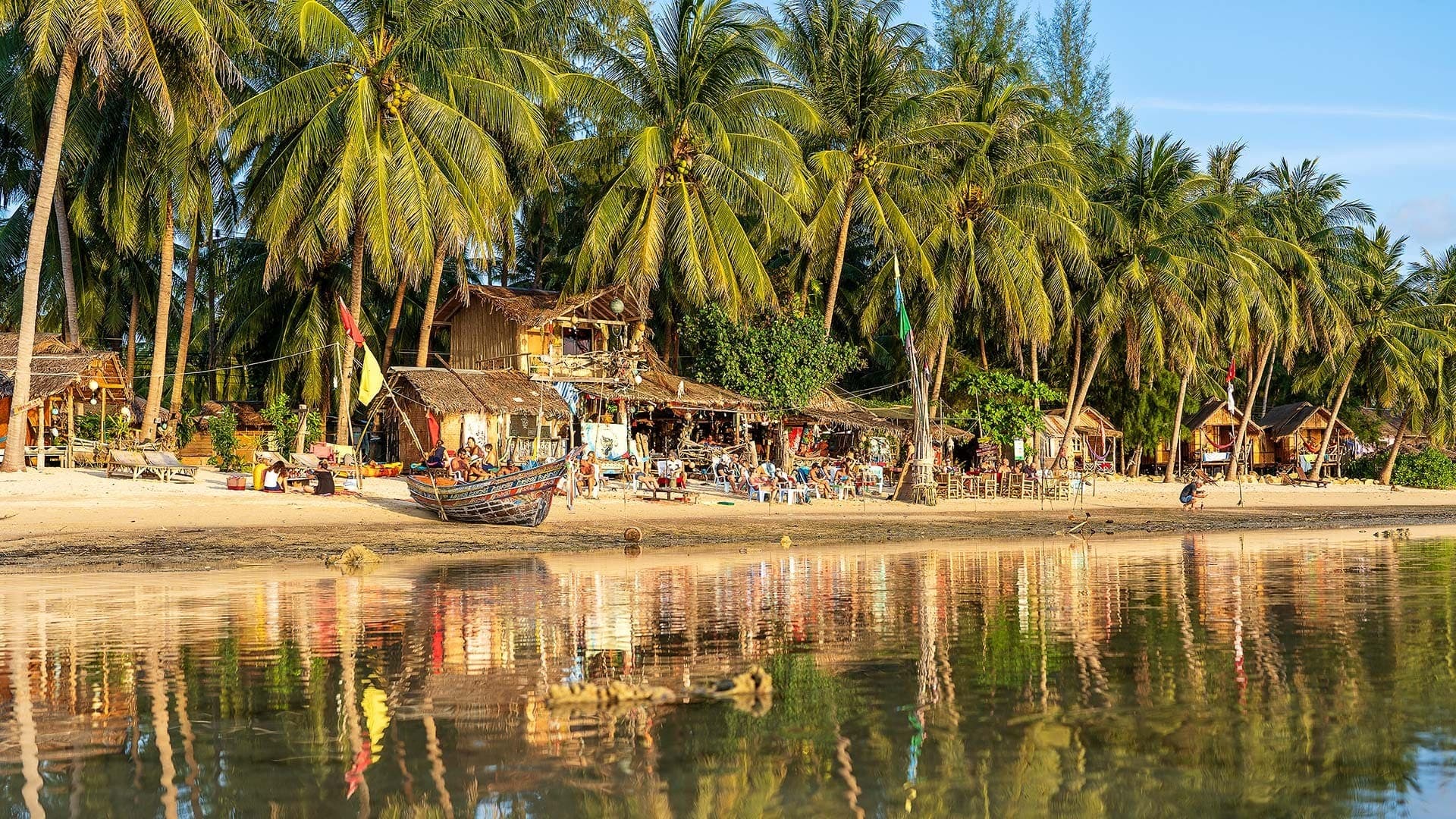
Fragrant food, hot sun, and some of the most beautiful beaches on Earth. Source: iStock
The best ferry routes for first-time visitors
If it’s your first time in Thailand, go straight for the routes that show you the country at its best. Phuket ↔ Koh Phi Phi is bustling for a reason: the limestone cliffs and green water of Koh Phi Phi will leave you feeling like you waltzed into a postcard. Krabi ↔ Koh Phi Phi delivers the same punch with an easier ride from Ao Nang or Railay. On the Gulf side, Donsak ↔ Koh Samui is an easy link between two absolutely must-see destinations. Phuket to Koh Phi Phi, Krabi to Koh Phi Phi, and Koh Phangan to Koh Tao are the most popular routes for a reason: you’ll see why.
The best ferry routes for hikers and divers
A hike we’re particularly fond of is Tab Kak Hang Nak in Krabi, otherwise known as Dragon Crest Mountain trail. It’s about 4 hours from the trailhead to the top, which crests into one of the most spectacular views in all of Thailand. The trail is framed by smatterings of local butterflies and trees swirling with strangler fig roots. You can take a ferry to Krabi from piers all across Phuket, Koh Yao Yai, Koh Bulone, Koh Lipe, Koh Lanta, and Koh Phi Phi.
Divers should, of course, stick with the ferry routes that drop you closest to the best sites. Koh Tao is the country’s diving certification hub, and you can reach it easily from Chumphon or Koh Phangan, making the Koh Phangan ↔ Koh Tao crossing the best pick. On the Andaman side, Koh Phi Phi is a solid base for reef dives and shark sightings, and the Krabi ↔ Koh Phi Phi route gets you there fast. For bigger marine life, Koh Lanta gives you access to Hin Daeng and Hin Muang, and its connections to Phi Phi and Phuket make moving between islands simple. If you want the clearest water and healthiest reefs, head south to Koh Lipe, reachable seasonally from Krabi and Phi Phi.

The view from atop Dragon Crest Mountain, Krabi. Source: iStock
Practical tips for comfortable ferry trips in Thailand
What to bring aboard
Pack light and think simple. A small day bag is enough for most crossings: sunscreen, a hat, and a light cover-up go a long way against the sun and wind. Bring water and a snack, even on short routes; food on board varies by operator and sometimes runs out on busy mornings. Keep your phone, wallet, and documents in a waterproof pouch or zipped pocket, because sea spray is common on open-deck boats. If you’re carrying larger luggage, make sure it’s clearly labeled so you can spot it quickly during unloading.
Seats, shade, snacks, and seasickness
Most ferries in southern Thailand offer a mix of indoor seating, shaded outdoor decks, and a few sunny spots up top. If you’re prone to seasickness, pick a seat inside and near the center of the boat where the motion is least noticeable. Air-con cabins can get chilly, so a light layer helps. Outdoor seats give better views but also mean strong sun and the occasional blast of sea spray. Some operators sell snacks on board, but it’s smarter to bring your own so you’re not stuck with whatever’s left by midday. If motion sickness is a concern, take medication 30 minutes before departure.
When to arrive, and how to stay safe
Safety on Thai ferries is straightforward: stick to marked seating areas, don’t lean over railings, and avoid standing on the bow unless the crew says it’s safe. Life jackets are required by law and stored either overhead or under seats; know where they are, even if you never need them. Arrive at the pier at least 30 minutes before departure — earlier during high season or for popular routes like Phuket ↔ Phi Phi or Donsak ↔ Samui. Boarding can feel rushed, and boats don’t wait for stragglers, so giving yourself time to check in, tag luggage, and find a seat keeps the whole day smoother.
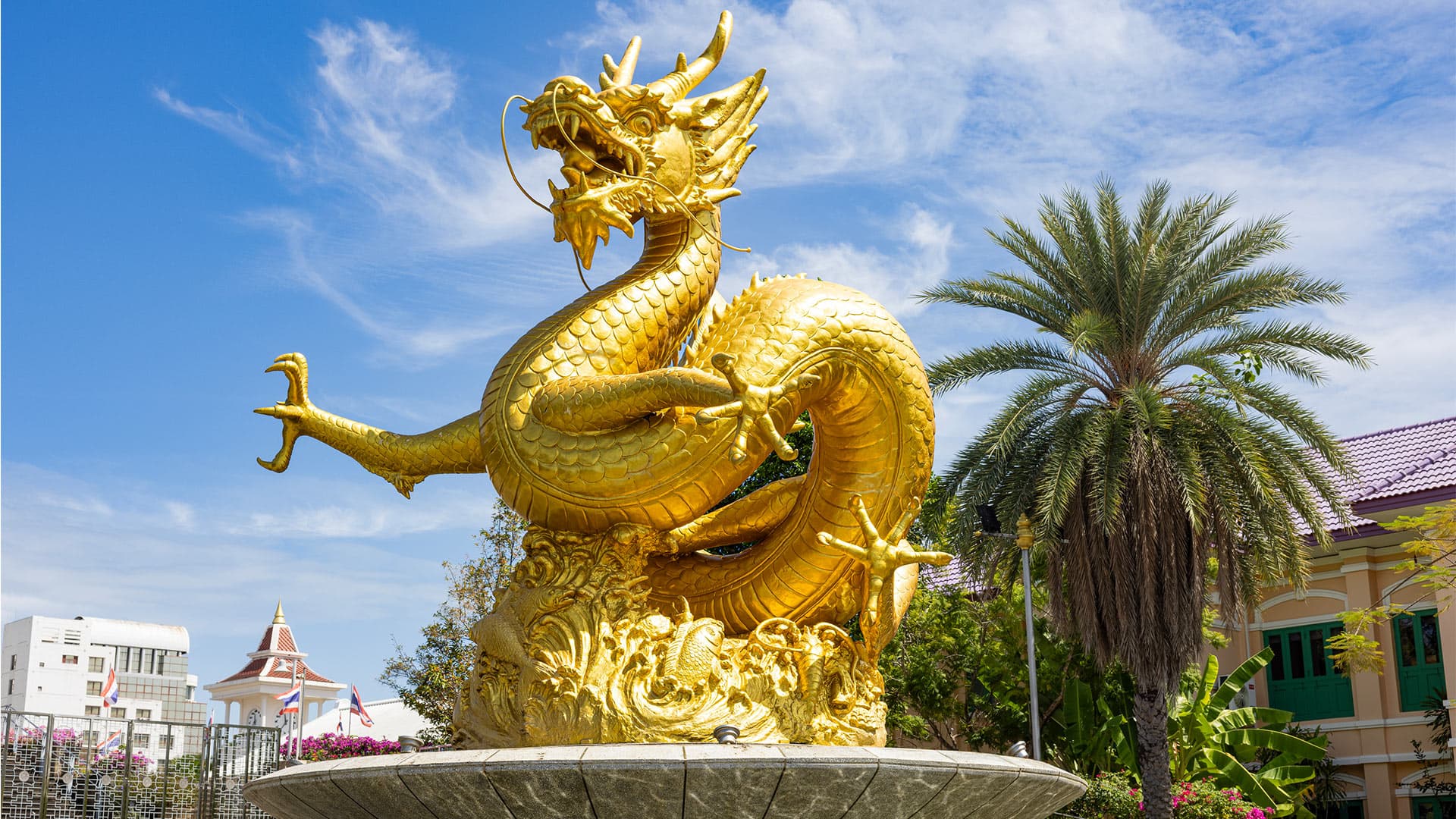
Hai Leng Ong statue will greet you as you dock in Phuket, Thailand.
Ready for Thailand? Book your ferry tickets right here
Ferryscanner’s search engine is the easiest way to find the perfect Thailand ferry tickets and book them in seconds. The busy routes are best reserved ahead of time, like when you book your flight. Routes like Phuket ↔ Koh Phi Phi, Krabi ↔ Phi Phi, and the Gulf crossings to Koh Samui or Koh Phangan fill up fast in the high season and during the holidays. Booking in advance allows you to compare operators, boat types, and travel times instead of taking whatever’s left at the pier. (Same-day tickets can work on quieter routes or in shoulder season, but they’re not a sure thing if you’re trying to catch a specific connection or traveling with luggage, kids, or are on a tight schedule.)
When you book with us, you can see all the available departures in one place, pick the ferry company that fits your timing and comfort level, and get flexible ticket options backed by a customer service team that can help if plans shift. Plus, you can download the Ferryscanner mobile app for even more great perks like live location tracking of your ferry, saved passengers, routes, and pets, as well as cool bonsuses like early-bird discounts and birthday gifts.
Thank you (ขอบคุณ) for reading! We can’t wait for you to join us on the Thai seas.
More Articles
View all Inspiration articles
Ferries from Croatia to Italy: Routes, Prices & Travel Tips
26 February 2025
Sail from Croatia to Italy with ease! Discover ferry routes from Split, Pula, Rovinj, and Dubrovnik to Italy’s top destinations like Venice and Ancona. Compare schedules, prices, and travel tips to plan your Adriatic crossing.

Island hopping in Southeast Asia: A first-timer's guide to getting around by Ferry
30 September 2026
Unlock the unforgettable beauty of Thailand, Indonesia and The Philippines with a ferry ticket.